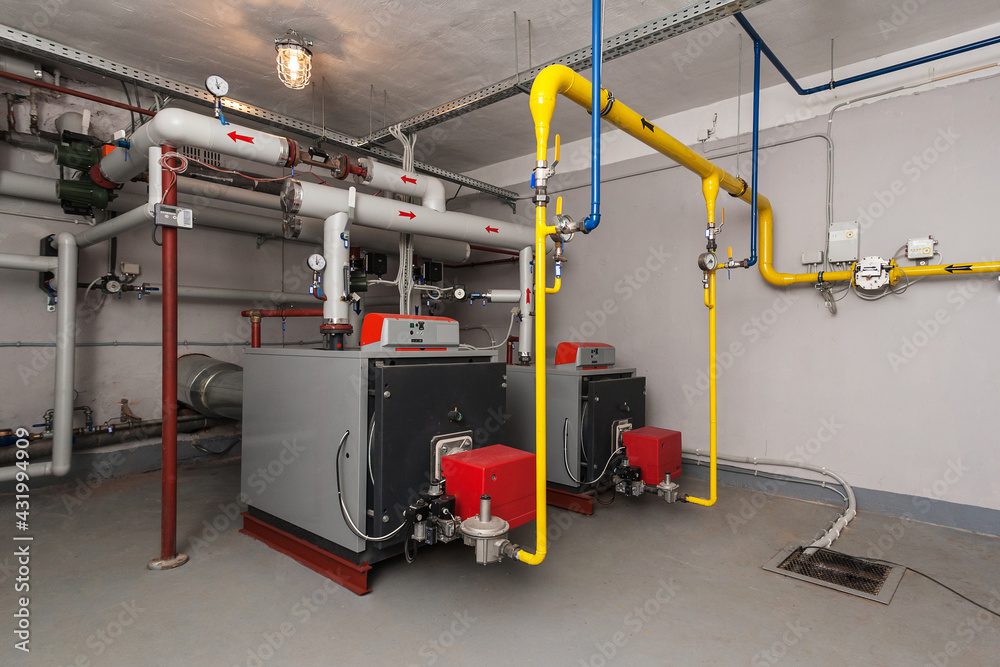
 We’ve all been there. You hear the furnace kick on, expect a cozy warm home, but instead, you’re greeted by the uncomfortable chill of an uncooperative steam boiler. The thing is, a steam boiler is like the quiet, behind-the-scenes hero of your heating system — and while it’s out of sight, it shouldn’t be out of mind.
There are some common steam boiler issues homeowners ignore until, well, it’s too late. By then, you might find yourself facing a major breakdown or expensive repairs — not to mention freezing your butt off while waiting for a professional to fix things.
So, before your steam boiler becomes a problem you can’t ignore, let’s take a look at the most common issues and why steam boiler repair in Philadelphia might be more important than you think.
Lack of Regular Maintenance: The Silent Killer
We get it: checking up on your steam boiler might not seem exciting — especially when it’s working perfectly fine. But not having regular maintenance is like skipping your car’s oil change. At first, everything seems fine, but over time, tiny issues snowball into big ones.
What happens:
Without regular maintenance, things like rust buildup, water deposits, and pressure imbalances can cause your steam boiler to underperform. You might not even notice it at first, but your system is working harder than it should, shortening its lifespan and increasing the risk of costly repairs.
What to do:
Get your steam boiler serviced yearly by a professional. A technician will clean and check the components, remove buildup, and make sure the system is running at its best. Trust us, it’s much cheaper than replacing a boiler that’s been neglected for too long.
Water Leaks: A Little Drip Can Cause a Lot of Trouble
Drip, drip, drip. It might seem like a small issue — a leak here or there — but over time, it adds up.
What happens:
Leaks around the boiler can cause corrosion and damage to the piping, leading to a complete system failure. Not to mention, it’s a safety hazard. Water can mix with the electrical components of your system, leading to dangerous situations.
What to do:
If you notice any damp spots around your boiler, call a technician. The leak could be coming from several places, like the valves, pipes, or joints. It’s a problem that needs attention before it leads to a bigger mess.
 Pressure Problems: Too High or Too Low?
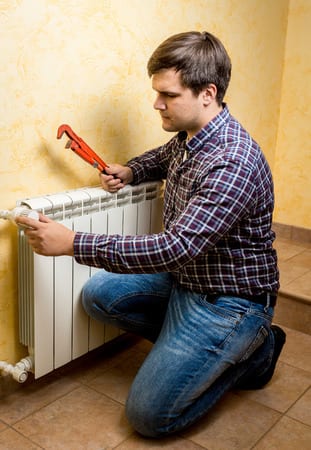
Pressure is key when it comes to steam boilers. Too much pressure, and you’ve got an explosive situation. Too little, and your boiler won’t work properly. The system relies on a delicate balance — and a few signs can point to trouble.
What happens:
If your boiler’s pressure gauge is consistently reading higher or lower than normal, it’s a sign of a serious issue. Low pressure can indicate a leak, while high pressure is often caused by a faulty valve or thermostat. Either way, the problem can reduce your boiler’s efficiency and increase your energy bills.
What to do:
Check the pressure gauge on your boiler. The ideal pressure range is typically between 1 and 1.5 bar when the system is cold. If it’s higher or lower, it’s time for a professional to investigate.
Strange Noises: Your Boiler Isn’t Singing a Happy Tune
If your steam boiler is making gurgling, banging, or whistling sounds, don’t ignore them! Boilers should be quiet (except for the occasional hum). When your system starts making noise, it’s telling you something isn’t right.
What happens:
These sounds are usually caused by air trapped in the system, mineral buildup, or sediment in the tank. A loud banging noise is often due to kettling, which happens when limescale builds up on the heat exchanger, causing the water to overheat and produce steam bubbles.
What to do:
Have a professional come in to inspect and flush the system. They’ll remove any built-up sediment and airlocks, restoring peace and quiet to your home and ensuring the system works efficiently.
Call Now! (267) 971-3639
Pilot Light Issues: A Small Flame Means Big Problems
We all love the comforting glow of a pilot light, but if that little flame goes out unexpectedly, you’re in trouble.
What happens:
The pilot light is what ignites the gas to heat the water in your steam boiler. If it keeps going out, it could mean there’s a dirty thermocouple, gas flow problems, or an issue with the pilot light itself.
What to do:
If the pilot light won’t stay on, don’t keep relighting it yourself. There’s a reason it keeps going out, and it needs to be professionally inspected. A technician will clean the thermocouple, check the gas supply, and make sure everything’s functioning properly.
Inefficient Heating: When Your Boiler’s Working Overtime
Do you feel cold spots in certain rooms or notice that your boiler seems to be running constantly? This is a sign that your system isn’t as efficient as it should be.
What happens:
Boilers can lose efficiency due to poor maintenance, low water levels, or issues with the thermostat. When this happens, your boiler needs to work harder to heat your home, which drives up your utility costs.
What to do:
Schedule a professional to inspect the system. They’ll clean the components, check the thermostat, and recalibrate the system to ensure that it’s running as efficiently as possible. You’ll save money on energy bills while enjoying a warmer home.
Don’t Wait Until It’s Too Late: Call a Pro Today
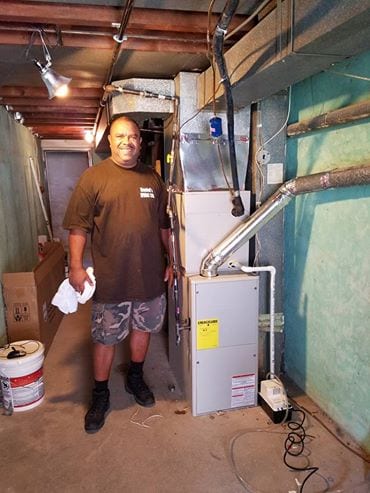 Ignoring steam boiler problems may seem harmless at first, but those little issues can turn into huge headaches down the road. Regular maintenance, quick fixes, and professional inspections are the best way to keep your system running smoothly and efficiently.
If you’re experiencing any of the problems we’ve mentioned — or if you’re just due for your yearly maintenance — don’t wait until it’s too late. Call a trusted steam boiler repair professional in Philadelphia to ensure your home stays warm and safe all winter long.
Trust the Local Pro!
Your steam boiler is like the unsung hero of your heating system — it keeps you warm while working behind the scenes. By staying on top of small issues like pressure imbalances, leaks, or strange noises, you can ensure it keeps working for years to come. And when problems do arise, don’t hesitate to call a professional. It’s far cheaper than facing a major breakdown when you least expect it.