 We’ve all been there: you’ve adjusted your thermostat to the perfect temperature, yet the room still feels like it’s either a sauna or an icebox. When your HVAC system isn’t keeping up, it’s more than just a little annoying — it can make your home uncomfortable, leaving you constantly fiddling with the thermostat. But before you throw in the towel (or the blanket, depending on the season), let’s talk about five things you should look out for when your HVAC just isn’t cutting it.
Let’s dive in and figure out what’s going wrong — and how to fix it!
-
Inconsistent Temperatures Throughout Your Home
Have you ever walked into one room and thought, “Wow, this is a tropical paradise,” only to enter another room and feel like you’ve stepped into an Arctic freezer? If your home feels like it has its own climate zones, your HVAC system is likely struggling with temperature regulation.
This can happen for a few reasons:
- Blocked or closed vents: Sometimes the issue is as simple as a vent being closed or obstructed by furniture or other objects.
- Ductwork issues: If your ducts are damaged or leaking, it could cause airflow problems that leave certain rooms underheated or overcooled.
- System sizing: If your HVAC system is undersized for your home, it simply won’t have enough power to heat or cool all rooms evenly.
If you’re finding that certain spots are always uncomfortable, it might be time to give those ducts and vents a closer inspection. If nothing changes, a professional inspection can help balance things out.
-
Unusual Noises from the HVAC Unit
Is your HVAC trying to sing the blues with odd squeaks, rattles, or buzzing? That’s not the soundtrack you want accompanying your home’s climate control!
When your HVAC unit makes strange noises, it’s usually telling you that something’s not right. Some common culprits include:
- A loose part: A fan or belt might be loose or damaged, causing a rattling noise.
- A dirty blower: Over time, the blower can accumulate dust and debris, making it work harder and creating a squealing sound.
- A failing motor: If you hear grinding noises, it could be a sign that the motor is wearing out.
These noises are usually the result of an easily fixable issue, but ignoring them can lead to more serious — and expensive — problems. A quick call to a technician could save you a lot of headache (and maybe even your hearing!).
-
Short Cycling: The Start-Stop Blues
Has your HVAC been turning on and off more often than a light switch? This is called short cycling, and it’s a pretty good sign that something’s up.
When short cycling happens, your system isn’t running long enough to heat or cool the space properly, which means your home never reaches that comfortable temperature you’ve set. This issue can happen because:
- Clogged filters: When the air filter is dirty, it restricts airflow, causing the system to overheat and shut off.
- Low refrigerant levels: If there’s not enough refrigerant, your system can’t absorb heat efficiently, leading it to shut down prematurely.
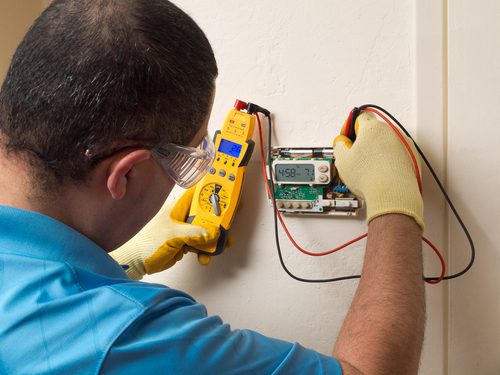
- A malfunctioning thermostat: Sometimes the thermostat is to blame — if it’s miscalibrated or broken, it may signal for cooling or heating at the wrong times.
If your system is constantly short cycling, don’t wait for it to completely break down. Start by checking the air filter, and if that doesn’t help, a technician can check the refrigerant levels and thermostat.
Call Now! (267) 971-3639
-
Your Energy Bills Are Rising Without Explanation
 Is your latest energy bill a shocking surprise? If your HVAC system is running inefficiently, it can significantly increase your energy costs. You might not notice it in the moment, but over time, the inefficiency adds up.
Here’s how it happens:
- An aging system: Older HVAC units lose efficiency over time. Parts wear out, and the system starts consuming more energy to do the same job.
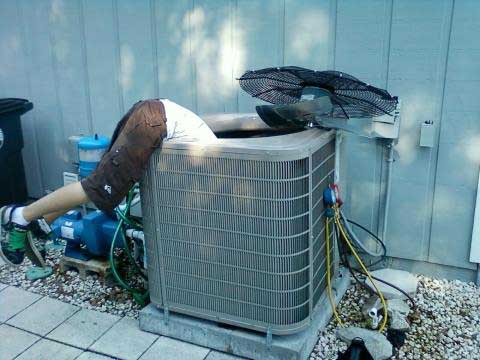
- Dirty coils: Dirty evaporator or condenser coils can reduce the system’s efficiency, forcing it to work harder.
- Low refrigerant levels: If the system’s refrigerant is low, it has to work overtime to keep your home cool or warm.
If your HVAC is eating up energy like a teenager raiding the fridge, it’s time to get it checked out. Regular maintenance and possibly upgrading to a more energy-efficient model can help you save money and keep things running smoothly.
-
Humidity and Air Quality Issues
Your HVAC system isn’t just responsible for regulating temperature; it’s also in charge of humidity control. If the air in your home feels musty, too humid, or just plain stale, your HVAC could be having trouble with humidity regulation.
Common signs include:
- Stuffy air: If your home feels damp or musty, it might indicate that the system isn’t properly controlling moisture levels.
- Dry skin or static electricity: On the flip side, if the air feels too dry, it could be a sign that your HVAC is over-drying the air.
This is especially common if your evaporator coils are dirty or if your home doesn’t have the right humidity control system. Using a dehumidifier or installing a whole-home humidifier can help, but it might also be time for an HVAC inspection to get to the root cause.
 Call the Local Pro
An HVAC system that isn’t keeping up can make life uncomfortable, but it doesn’t have to stay that way. By paying attention to warning signs like temperature inconsistency, odd noises, rising energy costs, and humidity issues, you can catch problems early and get your system back on track.
Regular maintenance, timely repairs, and the occasional system upgrade can keep your HVAC working efficiently and your home comfortable year-round. If any of these signs sound familiar, it’s a good idea to reach out to a professional HVAC technician. They’ll help restore comfort and ensure your system is in tip-top shape.