(and what to do before your living room turns into a walk-in freezer)
Nothing makes a Philadelphia winter feel longer than flipping your thermostat to “heat,” standing over the vent… and getting blasted with cold air. At that moment, your furnace isn’t a heating system — it’s an emotional support disappointment.
Before you assume your furnace has personally betrayed you, it helps to understand that most cold-air problems come from a few very common, very fixable causes. Knowing what’s happening can save you time, frustration, and possibly a few pairs of wool socks.
Let’s break down the top reasons homeowners end up searching for furnace repair in Philadelphia — and what your furnace is really trying to tell you.
1. Your Thermostat Is Playing Mind Games
Sometimes the furnace isn’t broken at all — it’s just following orders you didn’t realize you gave it.
What happens:
If your thermostat fan is set to “ON” instead of “AUTO,” the blower runs nonstop — even when the furnace isn’t actively heating. That means it pushes unheated air through your vents, which feels like your system forgot what its job is.
What to check:
- Make sure the fan is set to AUTO
- Verify the thermostat is actually set to HEAT (not cool, not “emergency vibes”)
- Replace old batteries if your thermostat uses them
This simple setting issue causes a shocking number of “my furnace is broken” calls every winter — and thankfully, it’s one of the easiest fixes.
2. Your Furnace Is Overheating and Protecting Itself
This one feels backwards, but hear us out. Your furnace is designed with safety sensors that shut down the burners if things get too hot inside. When that happens, the blower keeps running to cool the system — which means your vents blow cold air.
The most common cause?
A dirty air filter.
When your filter is clogged, airflow drops, heat builds up, and your furnace goes into protective mode. It’s basically saying: “I’d love to keep heating your house, but I’d also love to not catch on fire.”
What to check:
- Look at your air filter — if you can’t see light through it, replace it
- Most filters should be changed every 1–3 months in winter
- Pets, dust, and older homes in Philly can clog filters faster than expected
A dirty filter is one of the leading reasons homeowners need furnace repair in Philadelphia — and it’s also one of the easiest ways to prevent it.
3. The Pilot Light (or Ignition System) Isn’t Working Properly
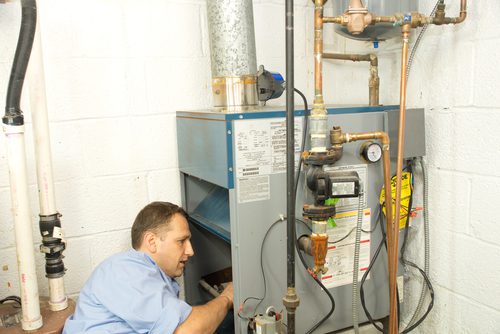
Your furnace can’t heat without a flame. And sometimes, the flame simply isn’t there.
Older furnaces:
Use a pilot light that can go out due to drafts, dust buildup, or thermocouple issues.
Newer furnaces:
Use an electronic ignitor that can crack, fail, or weaken over time.
When the ignition system fails, the blower may still run — so you feel air — but there’s no heat behind it.
Warning signs:
- You hear the fan but no warm air ever arrives
- Your furnace cycles on and off quickly
- You smell gas (this is an immediate call situation)
This is where DIY typically stops and professional diagnosis begins.
4. You Have Leaky Ductwork Stealing Your Heat
Sometimes your furnace is doing its job perfectly — but your warm air never makes it to you.
What’s happening:
Cracked, disconnected, or poorly sealed ducts can leak heated air into your attic, basement, or wall cavities. What finally reaches your vents is leftover cool air — which feels like your furnace is underperforming.
Signs of duct leaks:
- Rooms heat unevenly
- You feel cold air even when the furnace runs longer
- Heating bills creep up for “no reason”
Philadelphia’s older housing stock is especially prone to duct issues, making this a very common cause of furnace repair calls.
5. Your Furnace Is Just Tired (and Possibly Near Retirement)
Furnaces aren’t immortal — even though some of them try to be.
If your system is 15–20+ years old, internal components begin wearing down:
- Heat exchangers weaken
- Sensors misread temperatures
- Motors struggle to maintain airflow
These small failures can lead to big symptoms — including cold air blowing when you need heat most.
This is often when homeowners start noticing frequent repairs, rising utility bills, and declining comfort all at once.
When DIY Stops and Professional Help Starts
 Here’s the honest truth:
While thermostat settings and air filters are homeowner-friendly fixes, most cold-air furnace problems involve safety systems, gas ignition, electrical sensors, airflow balancing, or aging components — areas where professional tools and training really matter.
A trained technician doesn’t just “get your heat back.” They also:
- Identify safety risks early
- Prevent repeat breakdowns
- Improve system efficiency
- Extend furnace lifespan
If your furnace keeps blowing cold air, cycles erratically, or refuses to heat properly, it’s time to look into furnace repair in Philadelphia from a licensed professional who understands the region’s housing styles, climate demands, and common system failures.
Final Thought
Cold air coming from your furnace doesn’t mean winter won — it means your system is sending a message.
Whether it’s a clogged filter, a tired ignition system, or ductwork that’s quietly stealing your heat, these problems are far easier (and cheaper) to fix when caught early.
And the sooner you restore proper heating, the sooner your living room stops feeling like a bus stop in January.
If you’d like, tell me the type and age of the furnace this client usually services — I can tailor the call-to-action and service area wording perfectly for their market.