HVAC Not Keeping Up? These 5 Tips Will Tell You What to Look For

We’ve all been there: you’ve adjusted your thermostat to the perfect temperature, yet the room still feels like it’s either a sauna or an icebox. When your HVAC system isn’t keeping up, it’s more than just a little annoying — it can make your home uncomfortable, leaving you constantly fiddling with the thermostat. But before you throw in the towel (or the blanket, depending on the season), let’s talk about five things you should look out for when your HVAC just isn’t cutting it.

Let’s dive in and figure out what’s going wrong — and how to fix it!

  1. Inconsistent Temperatures Throughout Your Home

Have you ever walked into one room and thought, “Wow, this is a tropical paradise,” only to enter another room and feel like you’ve stepped into an Arctic freezer? If your home feels like it has its own climate zones, your HVAC system is likely struggling with temperature regulation.

This can happen for a few reasons:

  • Blocked or closed vents: Sometimes the issue is as simple as a vent being closed or obstructed by furniture or other objects.
  • Ductwork issues: If your ducts are damaged or leaking, it could cause airflow problems that leave certain rooms underheated or overcooled.
  • System sizing: If your HVAC system is undersized for your home, it simply won’t have enough power to heat or cool all rooms evenly.

If you’re finding that certain spots are always uncomfortable, it might be time to give those ducts and vents a closer inspection. If nothing changes, a professional inspection can help balance things out.

  1. Unusual Noises from the HVAC Unit

Is your HVAC trying to sing the blues with odd squeaks, rattles, or buzzing? That’s not the soundtrack you want accompanying your home’s climate control!

When your HVAC unit makes strange noises, it’s usually telling you that something’s not right. Some common culprits include:

  • A loose part: A fan or belt might be loose or damaged, causing a rattling noise.
  • A dirty blower: Over time, the blower can accumulate dust and debris, making it work harder and creating a squealing sound.
  • A failing motor: If you hear grinding noises, it could be a sign that the motor is wearing out.

These noises are usually the result of an easily fixable issue, but ignoring them can lead to more serious — and expensive — problems. A quick call to a technician could save you a lot of headache (and maybe even your hearing!).

  1. Short Cycling: The Start-Stop Blues

Has your HVAC been turning on and off more often than a light switch? This is called short cycling, and it’s a pretty good sign that something’s up.

When short cycling happens, your system isn’t running long enough to heat or cool the space properly, which means your home never reaches that comfortable temperature you’ve set. This issue can happen because:

  • Clogged filters: When the air filter is dirty, it restricts airflow, causing the system to overheat and shut off.
  • Low refrigerant levels: If there’s not enough refrigerant, your system can’t absorb heat efficiently, leading it to shut down prematurely.
  • A malfunctioning thermostat: Sometimes the thermostat is to blame — if it’s miscalibrated or broken, it may signal for cooling or heating at the wrong times.

If your system is constantly short cycling, don’t wait for it to completely break down. Start by checking the air filter, and if that doesn’t help, a technician can check the refrigerant levels and thermostat.

Call Now! (267) 971-3639

  1. Your Energy Bills Are Rising Without Explanation

Is your latest energy bill a shocking surprise? If your HVAC system is running inefficiently, it can significantly increase your energy costs. You might not notice it in the moment, but over time, the inefficiency adds up.
Here’s how it happens:

  • An aging system: Older HVAC units lose efficiency over time. Parts wear out, and the system starts consuming more energy to do the same job.
  • Dirty coils: Dirty evaporator or condenser coils can reduce the system’s efficiency, forcing it to work harder.
  • Low refrigerant levels: If the system’s refrigerant is low, it has to work overtime to keep your home cool or warm.

If your HVAC is eating up energy like a teenager raiding the fridge, it’s time to get it checked out. Regular maintenance and possibly upgrading to a more energy-efficient model can help you save money and keep things running smoothly.

  1. Humidity and Air Quality Issues

Your HVAC system isn’t just responsible for regulating temperature; it’s also in charge of humidity control. If the air in your home feels musty, too humid, or just plain stale, your HVAC could be having trouble with humidity regulation.

Common signs include:

  • Stuffy air: If your home feels damp or musty, it might indicate that the system isn’t properly controlling moisture levels.
  • Dry skin or static electricity: On the flip side, if the air feels too dry, it could be a sign that your HVAC is over-drying the air.

This is especially common if your evaporator coils are dirty or if your home doesn’t have the right humidity control system. Using a dehumidifier or installing a whole-home humidifier can help, but it might also be time for an HVAC inspection to get to the root cause.

Call the Local Pro

An HVAC system that isn’t keeping up can make life uncomfortable, but it doesn’t have to stay that way. By paying attention to warning signs like temperature inconsistency, odd noises, rising energy costs, and humidity issues, you can catch problems early and get your system back on track.

Regular maintenance, timely repairs, and the occasional system upgrade can keep your HVAC working efficiently and your home comfortable year-round. If any of these signs sound familiar, it’s a good idea to reach out to a professional HVAC technician. They’ll help restore comfort and ensure your system is in tip-top shape.


Is It Time to Replace Your Water Heater? 7 Warning Signs You Shouldn’t Ignore

Nothing ruins a relaxing shower faster than an unexpected cold blast. Your water heater is quietly doing its job behind the scenes until it decides to stop doing it — usually at the worst possible time. But how do you know when your water heater is on its last legs? How do you tell the difference between a minor repair and the need for a full replacement?

Well, we’ve got you covered. Here are seven warning signs you shouldn’t ignore when it comes to your water heater — and why you might need to start shopping for a replacement sooner than later.

1. Age Is Catching Up to It

The first sign of a dying water heater? Well, it’s probably the most obvious: age. Like everything else in your home, water heaters have a shelf life.

What happens:

Most traditional water heaters last about 10 to 15 years. If your unit is getting up there in age, you might start seeing problems creep in — even if everything seems fine now. Just like your car, the older your water heater gets, the more likely it is to break down.

What to do:

Check the serial number on your water heater for its age. If it’s more than 10 years old, it’s time to start planning for a replacement. Even if it’s still technically running, it might be more cost-effective to upgrade before the inevitable happens.

2. You’re Running Out of Hot Water Too Quickly

Picture this: you step into the shower, turn on the hot water, and five minutes later, it’s ice cold. The reason? Your water heater just doesn’t have the capacity to keep up anymore.

What happens:

As water heaters age, sediment and mineral deposits can accumulate inside the tank, reducing its ability to heat water efficiently. This means your tank can’t store enough hot water, leaving you shivering under a cold stream when you least expect it.

What to do:

If you constantly run out of hot water, it’s time to consider a new water heater. Look into a larger tank or even a tankless model, which can provide hot water on demand, so you’ll never have to worry about running out mid-shower.

3. Strange Noises Coming from the Heater

water heater replacmentIf your water heater sounds like it’s trying to play a jazz tune with a bunch of bubbles and gurgles, you’ve got a problem.
What happens:

Those noises are usually caused by sediment buildup in the tank, which can create pockets of water that overheat and produce steam. This can lead to banging, popping, or hissing sounds — and it’s a sign that your unit is working overtime.

What to do:

If you’re hearing strange noises, your water heater may be on its way out. While sediment buildup can sometimes be flushed out, continuing problems may mean it’s time for a replacement.

4. Leaking Water Around the Tank

Water pooling around your water heater is never a good sign.

What happens:

Leaks can occur due to corrosion inside the tank or worn-out seals. Over time, the metal in your water heater can weaken, leading to cracks, rust, or holes, and water starts leaking from the unit.

What to do:

If you notice water around your water heater, it’s important to call a professional right away. While a small leak might be repairable, a larger or persistent leak usually means the tank has reached the end of its lifespan.

Call Now! (267) 971-3639

5. Discolored or Smelly Water

If your hot water has turned a strange color or developed an unpleasant odor, it could be time to replace your water heater.

What happens:

Discolored water is often a sign of rust inside the tank. If you see brown, red, or yellowish water coming from your taps, that’s a result of rusted pipes or a corroded water heater. A bad smell, on the other hand, usually indicates bacteria growth in the tank, which can happen when sediment builds up and traps moisture.

What to do:

If you notice discolored or smelly water, have your water heater inspected. If cleaning or flushing doesn’t resolve the issue, a new water heater might be necessary to restore clean, fresh water to your home.

6. Your Energy Bills Are Spiking

Higher-than-usual energy bills might be a sign that your water heater is inefficient and working harder than it should be.

What happens:

As your water heater ages, it becomes less efficient at heating water, which can cause your energy usage to skyrocket. A malfunctioning thermostat, buildup inside the tank, or other mechanical issues can make your unit run continuously, even when it shouldn’t.

What to do:

If your energy bills have been creeping up and you can’t find another cause, your water heater might be the culprit. Consider replacing it with a more energy-efficient model, such as a high-efficiency tank or a tankless water heater, to save money in the long run.

7. The Temperature Is Unpredictable

One day it’s too hot, the next day it’s too cold — sound familiar? If your water temperature fluctuates unpredictably, your thermostat or heating element could be failing.

What happens:

A malfunctioning thermostat or heating element can cause water temperatures to rise and fall erratically. If your water heater can’t maintain a consistent temperature, it’s a sign that the internal components are wearing out.

What to do:

A water heater that can’t maintain a consistent temperature may be on the brink of failure. If the thermostat or element is the issue, it may be repairable, but if the problem persists or the unit is old, you’ll likely need to replace it.

When to Replace Your Water Heater

If you’re experiencing any of the problems listed above, it’s a good idea to start thinking about replacing your water heater. While some issues can be fixed with a simple repair or maintenance, others may indicate that your water heater has reached the end of its life.

Replacing your water heater may seem like a big expense, but delaying the decision can lead to bigger, more expensive issues down the line. Plus, a new, energy-efficient model can save you money on your utility bills and provide you with consistent hot water for years to come.

Call The Local Pro

Your water heater is one of those home appliances you don’t think about — until it stops working. But by keeping an eye out for warning signs like strange noises, leaks, or fluctuating temperatures, you can avoid major headaches and get ahead of potential problems. If you’re noticing any of these issues, it might be time to replace your water heater with a more efficient and reliable model. After all, no one wants to be left in the cold, especially in the middle of winter.


Steam Boiler Problems Homeowners Ignore Until It’s Too Late

steam boiler repair

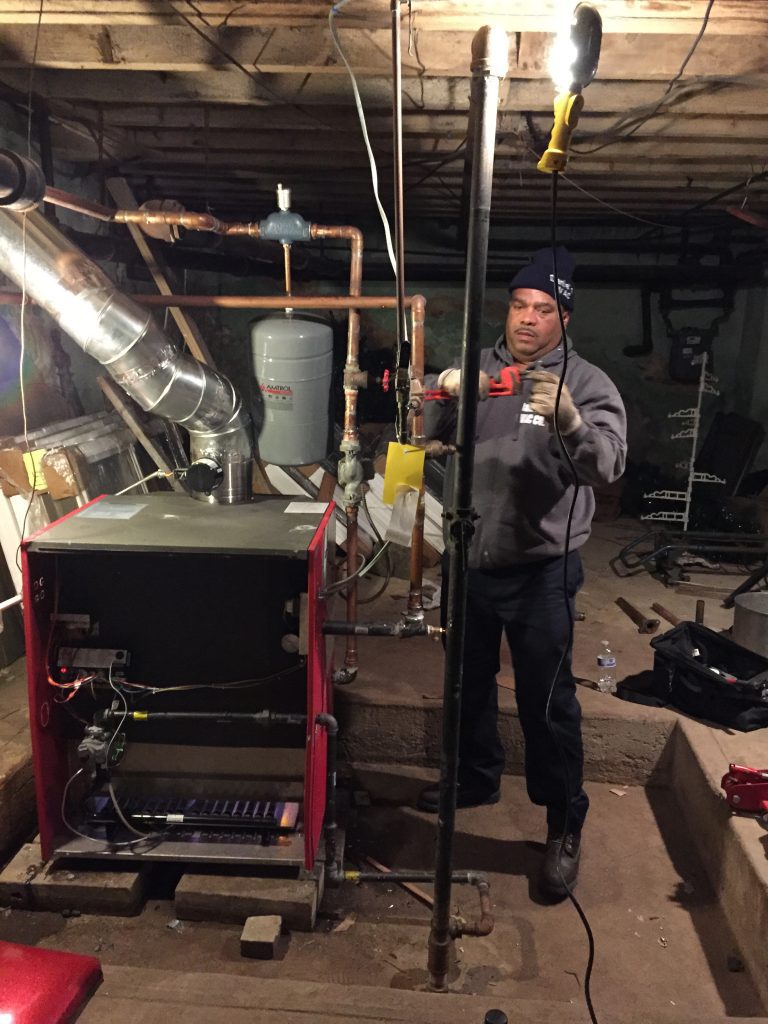
steam boiler repairWe’ve all been there. You hear the furnace kick on, expect a cozy warm home, but instead, you’re greeted by the uncomfortable chill of an uncooperative steam boiler. The thing is, a steam boiler is like the quiet, behind-the-scenes hero of your heating system — and while it’s out of sight, it shouldn’t be out of mind.

There are some common steam boiler issues homeowners ignore until, well, it’s too late. By then, you might find yourself facing a major breakdown or expensive repairs — not to mention freezing your butt off while waiting for a professional to fix things.

So, before your steam boiler becomes a problem you can’t ignore, let’s take a look at the most common issues and why steam boiler repair in Philadelphia might be more important than you think.

Lack of Regular Maintenance: The Silent Killer

We get it: checking up on your steam boiler might not seem exciting — especially when it’s working perfectly fine. But not having regular maintenance is like skipping your car’s oil change. At first, everything seems fine, but over time, tiny issues snowball into big ones.

What happens:

Without regular maintenance, things like rust buildup, water deposits, and pressure imbalances can cause your steam boiler to underperform. You might not even notice it at first, but your system is working harder than it should, shortening its lifespan and increasing the risk of costly repairs.

What to do:

Get your steam boiler serviced yearly by a professional. A technician will clean and check the components, remove buildup, and make sure the system is running at its best. Trust us, it’s much cheaper than replacing a boiler that’s been neglected for too long.

Water Leaks: A Little Drip Can Cause a Lot of Trouble

Drip, drip, drip. It might seem like a small issue — a leak here or there — but over time, it adds up.

What happens:

Leaks around the boiler can cause corrosion and damage to the piping, leading to a complete system failure. Not to mention, it’s a safety hazard. Water can mix with the electrical components of your system, leading to dangerous situations.

What to do:

If you notice any damp spots around your boiler, call a technician. The leak could be coming from several places, like the valves, pipes, or joints. It’s a problem that needs attention before it leads to a bigger mess.

Pressure Problems: Too High or Too Low?
Pressure is key when it comes to steam boilers. Too much pressure, and you’ve got an explosive situation. Too little, and your boiler won’t work properly. The system relies on a delicate balance — and a few signs can point to trouble.

What happens:

If your boiler’s pressure gauge is consistently reading higher or lower than normal, it’s a sign of a serious issue. Low pressure can indicate a leak, while high pressure is often caused by a faulty valve or thermostat. Either way, the problem can reduce your boiler’s efficiency and increase your energy bills.

What to do:

Check the pressure gauge on your boiler. The ideal pressure range is typically between 1 and 1.5 bar when the system is cold. If it’s higher or lower, it’s time for a professional to investigate.

Strange Noises: Your Boiler Isn’t Singing a Happy Tune

If your steam boiler is making gurgling, banging, or whistling sounds, don’t ignore them! Boilers should be quiet (except for the occasional hum). When your system starts making noise, it’s telling you something isn’t right.

What happens:

These sounds are usually caused by air trapped in the system, mineral buildup, or sediment in the tank. A loud banging noise is often due to kettling, which happens when limescale builds up on the heat exchanger, causing the water to overheat and produce steam bubbles.

What to do:

Have a professional come in to inspect and flush the system. They’ll remove any built-up sediment and airlocks, restoring peace and quiet to your home and ensuring the system works efficiently.

Call Now! (267) 971-3639

Pilot Light Issues: A Small Flame Means Big Problems

We all love the comforting glow of a pilot light, but if that little flame goes out unexpectedly, you’re in trouble.

What happens:

The pilot light is what ignites the gas to heat the water in your steam boiler. If it keeps going out, it could mean there’s a dirty thermocouple, gas flow problems, or an issue with the pilot light itself.

What to do:

If the pilot light won’t stay on, don’t keep relighting it yourself. There’s a reason it keeps going out, and it needs to be professionally inspected. A technician will clean the thermocouple, check the gas supply, and make sure everything’s functioning properly.

Inefficient Heating: When Your Boiler’s Working Overtime

Do you feel cold spots in certain rooms or notice that your boiler seems to be running constantly? This is a sign that your system isn’t as efficient as it should be.

What happens:

Boilers can lose efficiency due to poor maintenance, low water levels, or issues with the thermostat. When this happens, your boiler needs to work harder to heat your home, which drives up your utility costs.

What to do:

Schedule a professional to inspect the system. They’ll clean the components, check the thermostat, and recalibrate the system to ensure that it’s running as efficiently as possible. You’ll save money on energy bills while enjoying a warmer home.

Don’t Wait Until It’s Too Late: Call a Pro Today

Ignoring steam boiler problems may seem harmless at first, but those little issues can turn into huge headaches down the road. Regular maintenance, quick fixes, and professional inspections are the best way to keep your system running smoothly and efficiently.
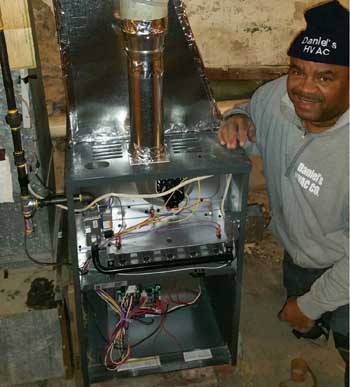
If you’re experiencing any of the problems we’ve mentioned — or if you’re just due for your yearly maintenance — don’t wait until it’s too late. Call a trusted steam boiler repair professional in Philadelphia to ensure your home stays warm and safe all winter long.

Trust the Local Pro!

Your steam boiler is like the unsung hero of your heating system — it keeps you warm while working behind the scenes. By staying on top of small issues like pressure imbalances, leaks, or strange noises, you can ensure it keeps working for years to come. And when problems do arise, don’t hesitate to call a professional. It’s far cheaper than facing a major breakdown when you least expect it.


Top 5 Reasons Your Furnace Is Blowing Cold Air

doing a dianostic test on furnace

(and what to do before your living room turns into a walk-in freezer)

doing a dianostic test on furnace

Nothing makes a Philadelphia winter feel longer than flipping your thermostat to “heat,” standing over the vent… and getting blasted with cold air. At that moment, your furnace isn’t a heating system — it’s an emotional support disappointment.

Before you assume your furnace has personally betrayed you, it helps to understand that most cold-air problems come from a few very common, very fixable causes. Knowing what’s happening can save you time, frustration, and possibly a few pairs of wool socks.

Let’s break down the top reasons homeowners end up searching for furnace repair in Philadelphia — and what your furnace is really trying to tell you.

1. Your Thermostat Is Playing Mind Games

Sometimes the furnace isn’t broken at all — it’s just following orders you didn’t realize you gave it.

What happens:

If your thermostat fan is set to “ON” instead of “AUTO,” the blower runs nonstop — even when the furnace isn’t actively heating. That means it pushes unheated air through your vents, which feels like your system forgot what its job is.

What to check:

  • Make sure the fan is set to AUTO
  • Verify the thermostat is actually set to HEAT (not cool, not “emergency vibes”)
  • Replace old batteries if your thermostat uses them

This simple setting issue causes a shocking number of “my furnace is broken” calls every winter — and thankfully, it’s one of the easiest fixes.

2. Your Furnace Is Overheating and Protecting Itself

This one feels backwards, but hear us out. Your furnace is designed with safety sensors that shut down the burners if things get too hot inside. When that happens, the blower keeps running to cool the system — which means your vents blow cold air.

The most common cause?

A dirty air filter.

When your filter is clogged, airflow drops, heat builds up, and your furnace goes into protective mode. It’s basically saying: “I’d love to keep heating your house, but I’d also love to not catch on fire.”

What to check:

  • Look at your air filter — if you can’t see light through it, replace it
  • Most filters should be changed every 1–3 months in winter
  • Pets, dust, and older homes in Philly can clog filters faster than expected

A dirty filter is one of the leading reasons homeowners need furnace repair in Philadelphia — and it’s also one of the easiest ways to prevent it.

3. The Pilot Light (or Ignition System) Isn’t Working Properly

boiler repair

Your furnace can’t heat without a flame. And sometimes, the flame simply isn’t there.

Older furnaces:

Use a pilot light that can go out due to drafts, dust buildup, or thermocouple issues.

Newer furnaces:

Use an electronic ignitor that can crack, fail, or weaken over time.

When the ignition system fails, the blower may still run — so you feel air — but there’s no heat behind it.

Warning signs:

  • You hear the fan but no warm air ever arrives
  • Your furnace cycles on and off quickly
  • You smell gas (this is an immediate call situation)

This is where DIY typically stops and professional diagnosis begins.

4. You Have Leaky Ductwork Stealing Your Heat

Sometimes your furnace is doing its job perfectly — but your warm air never makes it to you.

What’s happening:

Cracked, disconnected, or poorly sealed ducts can leak heated air into your attic, basement, or wall cavities. What finally reaches your vents is leftover cool air — which feels like your furnace is underperforming.

Signs of duct leaks:

  • Rooms heat unevenly
  • You feel cold air even when the furnace runs longer
  • Heating bills creep up for “no reason”

Philadelphia’s older housing stock is especially prone to duct issues, making this a very common cause of furnace repair calls.

5. Your Furnace Is Just Tired (and Possibly Near Retirement)

Furnaces aren’t immortal — even though some of them try to be.

If your system is 15–20+ years old, internal components begin wearing down:

  • Heat exchangers weaken
  • Sensors misread temperatures
  • Motors struggle to maintain airflow

These small failures can lead to big symptoms — including cold air blowing when you need heat most.

This is often when homeowners start noticing frequent repairs, rising utility bills, and declining comfort all at once.

When DIY Stops and Professional Help Starts

Here’s the honest truth:

While thermostat settings and air filters are homeowner-friendly fixes, most cold-air furnace problems involve safety systems, gas ignition, electrical sensors, airflow balancing, or aging components — areas where professional tools and training really matter.

A trained technician doesn’t just “get your heat back.” They also:

  • Identify safety risks early
  • Prevent repeat breakdowns
  • Improve system efficiency
  • Extend furnace lifespan

If your furnace keeps blowing cold air, cycles erratically, or refuses to heat properly, it’s time to look into furnace repair in Philadelphia from a licensed professional who understands the region’s housing styles, climate demands, and common system failures.

Final Thought

Cold air coming from your furnace doesn’t mean winter won — it means your system is sending a message.

Whether it’s a clogged filter, a tired ignition system, or ductwork that’s quietly stealing your heat, these problems are far easier (and cheaper) to fix when caught early.

And the sooner you restore proper heating, the sooner your living room stops feeling like a bus stop in January.

If you’d like, tell me the type and age of the furnace this client usually services — I can tailor the call-to-action and service area wording perfectly for their market.


Why You Should Get Your Air Conditioning Check Out or Service Before It Gets Hot

Why You Should Get Your Air Conditioning Check Out or Service Before It Gets Hot

When it gets hot in the summer, you should have your air conditioning good working condition. If you don’t prepare early enough, you may have to grapple with the heat when your air conditioning fails to work. The following are the reasons to get your air conditioning check out or service before it gets too hot:

1. Ensuring Safety

Even a properly functioning air conditioner needs to be checked and serviced at least once a year. Apart from ensuring that its performance is at the peak, proper maintenance ensures greater energy efficiency. In the summer, the heat can get out of range. Without a properly functioning air conditioner, you may get into a fix. Apart from endangering your health, high temperatures can get onto your nerves.

2. Getting Rid Of the Dust

As it works, your air conditioning system tends to accumulate dust and other forms of dirt in the air filter. It may release this dust into the air in your home and even compromise your health. One of the things you should do before the summer is to replace the air filters in your HVAC system. It is recommended that you change your filters after every 2 or 3 months. That will make the air conditioner more efficient and the air in your home of the highest quality.

3. Saving On Energy Bills

When a HVAC system is working inefficiently, the result is high energy bills. That’s mainly because of the energy lost. Thus, it takes more energy to heat your home. Even though the monthly energy bills could rise by negligible levels, they become much higher in the long run. Therefore, have the HVAC system checked and maintained before the summer to reduce the energy costs when you start using it.

4. Avoiding Breakdowns

Problems with a HVAC system are better dealt with before they escalate. By having your HVAC system checked before the summer, you will be able to discover minor issues and deal with them on time. With that, you will avoid more expensive repairs or even the need to replace the entire HVAC system. Even though HVAC maintenance seems costly, it is cheaper than having to buy an entire system. Additionally, it ensures that you do not have to deal with a situation where it’s too hot and the system is broken down.

5. Staying Cool

When a HVAC system is working efficiently, it is able to keep your entire house cool. Otherwise, you may not get the same level of cooling across the house. It can be very disheartening if you have to deal with higher temperatures in some rooms in the house and not others. That’s why you should ensure that a professional checks out your HVAC system and makes the necessary repairs. When you move from the living room to the bedroom, you will still be able to get the same cooling across the board.

 Call Daniels HVAC Philadelphia llc – 2679713639

The Relationship between Pollen, Hay Fever and Your HVAC System

cleaning mini split ac unit

The Relationship between Pollen, Hay Fever and Your HVAC System

Many people prefer staying indoors in an attempt to avoid exposure to allergens. While that may seem like a good strategy, it hardly is. What such people forget is that the HVAC system could, in fact, be spreading pollen. Due to their tiny nature, pollen spores still manage to get into your home.

What’s The Connection between HVAC and Hay Fever?

Hay fever is characterized by sneezing, stuffy and runny noses, and itchy skin, mouth or eyes. It also causes fatigue resulting from poor sleep due to nasal issues. Statistics show that between 40 and 60 million Americans suffer from hay fever.

The most common cause of hay fever is pollen from trees, grass, wildflowers, weeds, and other plants. While these allergens are mostly outdoors, they can enter your home if your HVAC system isn’t working properly.

Your HVAC system is tasked with circulating air throughout your home. The sad thing is that pollen and other allergens can get into your air conditioning, ventilation, and heating equipment. When the air begins to circulate in your house, these allergens spread around. That’s why you tend to have increased symptoms when you first turn on your HVAC system in the spring.

Far from it. You do not have an HVAC allergy. The issue has to do with the pollen and other allergens that are being blown over your house.

How to Get Rid Of Allergens from Your Home

When you notice the flare-up of allergy symptoms, the first thing you should do is call an HVAC maintenance service provider. They will help you get rid of the pollen by taking the following two measures:

1. Installing Allergy Filters

Don’t get confused. The normal filters on your HVAC system do not have the ability to protect you from allergens. All they do is prevent large debris from causing damage to the equipment. They hardly get rid of the tiny allergens.

The best way to get rid of allergens from your home is by using high-energy particulate air (HEPA) filters. When it comes to getting rid of allergens from your HVAC system, these are the best. Their intricate design ensures that they filter out at least 99 percent of smoke, dust, and pollen.

However, you cannot use these filters forever. You need to replace them every other month. Alternatively, you could ask the HVAC maintenance service provider to install washable filters. If you have that variety, then you ought to clean them regularly.

2. Duct Cleaning

Over time, moisture, dust, and pollen accumulate in your HVAC ducts. In the end, you could have air full of pollen circulating within your home. To have better air quality, ask a professional HVAC service provider to clean the system. You will be able to reduce asthma and allergy symptoms, get rid of insects and rodents, and remove mold. You need this service if it has taken too long since the ducts were cleaned. As part of the cleaning service, there could be the need to repair holes, as well as replace filters and insulation.

When you notice symptoms of hay fever at the onset of the spring, don’t hesitate to call Daniels HVAC Philadelphia 267-971-3639  We will make the air in your home fresh and breathable.

Why Hire a Local Air Conditioning and Heating Service Repair Company


Why Hire a Local Air Conditioning and Heating Service Repair Company
With the many companies that claim to offer air conditioning & heating service and repairs, it is important to carefully choose the one to hire. The most important consideration is that the company should be local. When you hire a local HVAC repair company, you benefit in many ways including the following:
1. Establishing Trust
A local business works very well to establish trust since it values having strong relationships with its clients. The company will treat you like a neighbor since they know you will visit their premises if they don’t do a great job in your home. They know that you are likely to tell others about your experience with them and will, therefore treat your work with utmost care.
2. Quick Response during Emergencies
A local air conditioning service repair company is small and situated in the neighborhood. It has a faster response time to emergencies than the national companies. That’s why you will not have to wait for too long for the heating or air conditioning repair.
3. Highly-Personalized Service
One thing about working with a local HVAC repair company is that it is established in the same neighborhood as you. They interact with you frequently and understand what you need. Thus, the local company is likely to provide you with high-personalized service, tailored to your needs. You will get more one-on-one time with the company, quicker responses, and sticking to follow-up appointments. With a bigger, national company, you have to contend with anonymous repair staff, longer hold-ups, and dealing with different people always.
4. Better Customer Service
Again, this boils down to the fact that this is a local, small company. Thus it has few clients to deal with, many who are situated in the locality. Because of that, they are likely to give you better customer service than the more established, national companies. With the bigger service providers, the time it takes for a call to go through may seem like ages.
5. Great to Support a Local Business
When one local business grows, the entire community is bound to benefit. Thus, hiring a local air conditioning service repair company is one way of growing the community. The large, national corporations don’t really need your support, given that they serve many more people. However, without your support, the local HVAC repair service Company may be forced to close down. When you spend money on this company, it stays in the community, thus improving the economic well-being of the town.
If anything, members of the community will benefit from more jobs. When they get paid, their wages will stay within the community. That money will be spent on other locally available goods and services, thus, making the community better.
While hiring a local HVAC repair company is important, you should ensure that it ticks all the other boxes. For instance, the company should be licensed and insured. It should have the right staff and equipment for the job. The company should guarantee quick response during emergencies. If you need a reliable air conditioning service repair company or a heating service repair company we do installations boiler, mini splits heat pumps also plumbing and electrical to, talk to us! www.danielsHVACPhiladelphia.com
Proudly Serving the Following Philadelphia Zip Codes: 19001 19012 19019 19027 19031 19034 19038 19046 19075 19092 19093 19095 19099 19101 19102 19103 19104 19105 19106 19107 19108 19109 19110 19111 19112 19113 19114 19115 19116 19118 19119 19120 19121 19122 19123 19124 19125 19126 19127 19128 19129 19130 19131 19132 19133 19134 19135 19136 19137 19138 19139 19140 19141 19142 19143 19144 19145 19146 19147 19148 19149 19150 19151 19152 19153 19154 19155 19160 19161 19162 19170 19171 19172 19173 19175 19176 19177 19178 19179 19181 19182 19183 19184 19185 19187 19188 19190 19191 19192 19193 19194 19195 19196 19197 19244 19255 

6 Features of a Plumbing Repair Company


6 Features of a Plumbing Repair Company
PLUMBING REPAIR MANThe right plumbing company can provide with satisfactory services. Whether you are doing water heater installation or pipes repair, it is important to be clear on the type of company you work with from the get-go. If you are not careful, you may have to ask another company to redo work that had been done by the original one. Here are the characteristics of a good plumbing service provider:
1. Stability of Service
Before you hire a plumbing company, do an online search to establish how stable they are. Check the company profile online to know how long the company has been in business. It is also important to know how long the plumbing repair company has been operating in your area. In the end, knowing the kind of service to expect from the company is very important.
2. Cost
It is important to know the items included in the invoice before you hire a company. Some companies have hidden extra costs which end up inflating the final price. Apart from the quotation you receive, the company may also charge you according to the time spent on your premises and the fuel consumed in the process. A good company is one which spells out the costs long before they start working. Where in doubt, call the company and have a customer service representative explain the breakdown of costs.
3. Warranty or Guarantee of Work
Nothing hurts like having to pay for plumbing services twice. As such, it is important to get a company that can fix any problems that arise from the repair work. If they have a warranty, read through it to have a clear understanding of the details. Check for the warranty’s expiry period. Importantly, safely keep the warranty documents to ensure the company does necessary repairs when you need them.
4. Insurance
Working with an insured plumber will save you a lot of money when it comes to compensating workers who are injured in their line of duty. If you hire an unlicensed plumber, you will be liable for any injuries. Ensure you hire a plumber who has a workman’s compensation policy as well as a public liability one.
5. 24/7 Emergency Service
You can never tell when your pipes will start leaking. To be prepared for any eventuality, you should hire a plumbing service that operates on a 24/7 basis. Regardless of the time of the day or night, you need their services, the company should be able to respond without any further delay. Together with having a standby staff, it should be ready with all the equipment required for the work.
6. Clean-Up Services
Soon after the water heater installation, the plumber might leave your house untidy. Before you hire the company, first, ask them if they do any sort of cleaning after work. If it doesn’t, then you have to grapple with getting rid of the old materials and grease left behind after the work. It could be necessary to know how the cleaning will be done. If you have to pay the workers to do it, the company should make it known.
Clearly, a company that does pipes repair cannot just be picked on the street. A little bit of due diligence is necessary to ensure you get the best services.

When It’s Time To Replace or Repair Your Air Conditioning System


When It’s Time To Replace or Repair Your Air Conditioning System
air conditioning repair PhiladelphiaAfter several years, you need to ask yourself whether you should replace or repair your air conditioning system. Before you make the final decision there are certain things you will need to look at. The lifespan of a heat pump is up to 16 years while a furnace may persist for some 20 years. But how long it actually lasts depends on the care you give to your AC system. Even with all the repairs and tune-ups you do, there comes a time when your air conditioning system must be replaced.
Here are the points to consider when making a choice between replacing and repairing your air conditioning system:
1. Safety
To avoid putting your life and that of your family at risk, you should consider replacing a heating system that’s proving to be a safety hazard. Why spend so much money doing temporary repairs when you can install a new system? For instance, a broken heat exchanger will leak carbon monoxide and expose your family to the danger of respiratory disease. You can’t afford to take the risk.
2. Lifespan
If your AC system has lasted for its expected lifespan, then it is time you replaced it. Usually, a furnace will not go beyond 16 years after the first installation. Check the date of installation on the unit. If it isn’t there, retrieve the model and serial numbers and find out from the manufacturer how old the unit is like to be. However, don’t rush to discard the unit. If it hasn’t burned out yet, ask a qualified technician to have a look at it and advice you appropriately.
3. Heating Effectiveness
To heat your home effectively, the heating system must be running efficiently. You can gauge the efficiency of an AC system by gauging how effective it is heating all the rooms in the home. If it is efficient, then the heat will be spread out evenly. Where you rely on an old AC unit, you may fail to get the heat to all the rooms in your house. So if you frequently notice a discrepancy in the heat distribution around your home, replace the AC system.
4. High Repair and Maintenance Cost
There comes a time when it is more logical to replace an AC system, rather than try to repair it. When an expensive part of the system such as a furnace or heat exchanger replacing it is the only option. A new system may cost must initially, but it will save you a lot of money in terms or repairs and maintenance. For the first few years, all it will require is regular maintenance.
5. Rising Energy Bills
Rising energy bills is a sign of an inefficient AC system. If you are paying more in energy bills than you used to, then it might be time you considered replacing the AC system. With a new system, efficiency will be improved and the energy bills put under firm control.
As you can see, the decision to repair or replace your AC system is entirely based on your personal experience. If the system isn’t working as expected, why continue having it?

What to Look For In an Air Conditioning Service Provider

What to Look For In an Air Conditioning Service Provider

One thing about HVAC systems is that they can break down when you least expect. To get life around your home, you need a responsive service provider. Not only should the company be experienced enough, but it should also be in a position to provide 24/7 emergency services. Regardless of where you live, you should be able to find the right professional to work with.
Here are some of the traits of a professional repair and maintenance service:
1. 24/7 Emergency Services
The main reason you need a reliable plumber is the unpredictable nature of emergencies. Say you are resting in your house during the day when your HVAC system breaks down. You may opt to have you and your family freeze to death or call a professional to provide air conditioning services. A good contractor should be on call 24/7. It doesn’t matter the time of the day you need their services. They should respond promptly and arrive at your home when they say they will do.
2. Licensed and Insured
To know if you are dealing with a true professional, you should ask for the necessary licenses and insurance. As such, all air conditioning repair companies should have licenses from the county as well as the city. In addition to the current licenses, they should have insurance to protect their staff and your property. For possible injuries among the staff, the company should have a workman’s compensation policy. This will protect you any resultant liability.
3. Offering Different Services
While some contractors tend to be specialized in a specific line of work, the best are those who can handle several tasks. Apart from handling the plumbing systems and A/C units, the contractor should also have the ability to repair your water heater. Even where the contractor is specialized in HVAC systems, he should be in a position to handle ductwork repairs as well as issues to do with air quality.
5. Ability to Respond to Questions
It doesn’t matter how simple or complex your project is. A good contractor should be prepared to give answers to all your questions. If anything, they should be able to explain complex issues in an easy-to-understand language. If you have questions on the plumbing method to use, the contractor should clearly explain the reason for preferring a specific one. In the end, the plumber should leave you with 100% satisfaction about the service.
6. Having the Right Tools and Equipment
Due to the nature of their work, air conditioning repair contractors should have all the necessary tools and equipment always. If an emergency happens at night, there will be no time to hit the stores and buy the necessary equipment. Being properly equipped helps them to better respond to emergency situations. Besides, they can handle all the necessary tasks.
Conclusion
If you are looking for a great HVAC contractor, be careful who you pick. Not many of the available contractors give you 100% percent satisfaction like Daniels HVAC Philadelphia. Assess a contractor on the basis of the criteria discussed here and you will never go wrong. If in doubt, call us for high-quality service. In addition, our service is the most affordable in town. Thank you Daniels HVAC.